

Award ceremony AV London: what makes a winner’s moment land, and a room feel like something happened?
Most award ceremony guides talk about themes, backdrops, and red carpets. That’s the easy part. The hard part is making a room full of people feel something at the right moment: a lift when a name is read out, a stage moment that makes each winner feel like the main event, a night that people are still talking about the following week rather than one that blurs into every other awards dinner they’ve sat through this year. That’s the part we own.
We’ve delivered award ceremony AV for industry dinners of 80 guests and galas of 500 plus across London, and the pattern is always the same. Clients worry about the theme, the branding, the seating plan. We worry about whether the winner’s walk-up gives the room a lift, whether the space feels like an occasion the second guests arrive, and whether the sound hits people in the chest and not just the ears. That’s what decides whether people remember the night, or just remember attending it.
The short version: A great award ceremony feels different from the moment guests walk in, and that comes down to five things we control rather than leave to luck. Lighting that shifts the whole mood of the room at exactly the right moments, not just brightness for its own sake. Sound with enough weight behind it that an announcement genuinely lands. A stage moment built so every winner, not just the headline names, feels like the main event. Every guest feeling part of what’s happening, wherever their table is in the room. And one team running the whole show so tightly that the audience never has reason to think about the technology behind it at all.
Where an awards night falls flat, and where it lands
| The night that falls flat | The night that lands |
|---|---|
| The winner walks up to polite applause and the moment passes before anyone’s quite felt it. | The room shifts as the winner walks up, and it genuinely feels like their moment. |
| The lighting stays much the same all evening, so the room reads like a lit conference space. | The lighting changes with the night, drawing every eye to the stage exactly when it should. |
| The speeches are audible, but nothing about the sound makes an announcement feel like an event. | The sound carries enough weight that people feel the award sting before they’ve registered the name. |
| Guests at the back tables miss the moment entirely, craning to see over the room. | Every table feels part of the moment, including the ones furthest from the stage. |
| Small hiccups, a late cue, a mic that isn’t quite ready, quietly chip away at the atmosphere all night. | The whole night runs so smoothly that nobody in the room ever thinks about what’s making it work. |
The difference between those two nights almost never comes down to luck. It comes down to who’s running it.
Will every guest feel part of the moment, wherever they’re sitting?
At a small dinner, this isn’t much of a question; everyone’s close enough to feel involved without any help. At a 500-guest gala in a big London ballroom, it’s a real risk. Round tables of eight or ten create a forest of heads between the back of the room and the stage, and beyond a certain distance, faces on stage stop registering as anything more than a small, distant figure. Guests at those tables can quickly end up watching an event rather than feeling part of one.
We solve this two ways. First, the stage itself is built and positioned around the room’s actual sightlines, not just guest numbers, so as many people as possible have a genuine, unobstructed view. Second, for larger rooms, we relay the stage live to screens either side of it, so a guest at the back gets the same close, connected view of a winner’s reaction as someone at the front table. That’s the difference between half the room watching a distant stage and everyone in the room feeling like they’re at the same event.
We ran exactly this setup for the Surrey Storm Netball awards dinner, relaying the stage live to screens either side of the room so every table shared the same view of the presentations, rather than some tables getting the moment and others just getting the applause.

Will a winner’s walk to the stage always land, or can it go wrong?
The walk-up is the riskiest moment of any awards ceremony. It’s an unfamiliar presenter or winner, often visibly nervous, walking to a spot on stage they’ve never stood in, picking up a microphone they’ve never held, in front of a room that’s suddenly gone quiet and is watching them. Handled badly, that moment fumbles. Handled well, it feels like an arrival.
We rehearse it properly rather than leaving it to chance: someone walks the actual path a winner will take, from their table to the stage, so we know the mic behaves wherever they end up standing, and so the moment of picking it up and speaking is smooth rather than hesitant. The result is that winners sound confident and composed from their very first word, which does more for how the moment lands than almost anything else in the room.
How does lighting change the way a room feels?
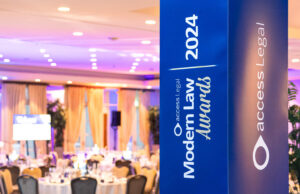
Lighting does far more emotional work in an awards ceremony than most people expect, and it’s rarely about how bright the room is. It’s about the change of state, the shift from one mood to another, at exactly the moments that matter.
Hold the room in warm, low light through the meal, with the stage picked out just enough to keep attention drifting towards it, and the room feels settled and anticipatory rather than flat. Then cut to a single spotlight as a winner’s name is read out, and that one change makes the walk-up feel like an arrival rather than just someone standing up from their table. Colour and a touch of haze give the light something to move through, so the room reads as a proper show rather than a function space with better bulbs.
None of this is about the fixtures. It’s about choosing, deliberately, which feeling we want the room to have at each point in the night, and using lighting to shift it there without anyone consciously noticing why.

How does sound make guests feel a moment, rather than just hear it?
Clear sound is the baseline, not the goal. Every guide will tell you speeches need to be audible; that’s true, but it’s the least interesting part of the job. What makes an award announcement land is the physical weight behind it.
A sub carrying an award sting means people feel that moment in their chest a beat before they’ve even registered the winner’s name, and it’s that physical hit which turns a simple announcement into a genuine lift. Walk-up music timed precisely to the moment a winner steps towards the stage gives the whole thing momentum, an arrival with a swell behind it rather than an awkward silence while they cross the room. It’s a small detail, but it’s arguably the single most persuasive thing we can say about why sound matters here: done well, guests feel it before they’ve consciously processed what’s happened.

Who’s making sure none of this falls apart on the night?
Every award ceremony has dozens of small moving parts happening at once: a lighting change, a sound cue, a video package, a presenter moving into position, a winner about to walk up. If even a few of those land slightly out of step with each other, the audience feels it as a kind of dead air, even when nothing has technically gone wrong.
We run every ceremony with one person managing all of it from a single position, connected to every department at once, calling each cue so lighting, sound, and video shift at exactly the same moment rather than trickling in one after another. Guests never see this role and never need to. They just experience a night that feels seamless, moment to moment, rather than one where something is always a half-beat behind.

Where award ceremony nights quietly fall short
AV gets treated as a line item to sort out once the venue and catering are already booked. By then, the room’s already been chosen without the sightlines, power, or rigging that a proper stage and lighting design need.
Presenters and winners never walk the stage beforehand. Their first steps up there happen live, in front of the room, which is exactly when nerves and uncertainty show.
Lighting is used only so people can be seen, not to shift the mood of the room at the moments that matter. It does a job, but it never does the emotional work it’s capable of.
No single person owns the run of show. Lighting, sound, and video are all handled well individually, but nobody’s making sure they land together, which is where a ceremony starts to feel disjointed even though nothing’s technically wrong.
Screens or live camera relay get decided as an afterthought for a big room. By the time anyone notices half the guests can’t see the stage, the tables are already set and the layout is already fixed.
Our advice if you’re planning award ceremony AV in London
Bring us in early, before the room layout and guest count are finalised, so lighting, sound, and stage decisions get built around your actual room rather than retrofitted into it afterwards.
Walk your presenters and winners through their moment on stage beforehand, even briefly, rather than leaving their very first steps up there to the night itself.
Decide early whether a bigger room needs live camera relay, so every guest feels part of the moment rather than just the ones near the stage.
And give one team ownership of running the whole night, rather than splitting lighting, sound, and video across separate suppliers who’ve never worked the room together before.
If you want a second opinion on any of this before you brief your venue, get in touch with our team; it costs nothing to ask, and it’s far easier to sort out early than to fix on the night.
What we handle for award ceremony AV in London
We deliver the full award ceremony production in London: lighting, sound, staging, live camera relay, and one team running the whole night, using kit we own and maintain ourselves rather than equipment hired in close to the event date. That includes the details guests never see but always feel, like clean, properly licensed wireless microphones through Ofcom-coordinated frequencies, so nothing cuts out mid-speech even in a busy Central London venue.
Suzie Neuwirth, Founder & Editor-in-Chief of Peer2Peer Finance News, put it simply after her awards ceremony with us: “It was so important to me that this event went well. It was the first awards event for the magazine… we had so much good feedback, the atmosphere was great, the production worked so well. I just couldn’t say enough good things about it.”
We back every event with our satisfaction guarantee: if the audio isn’t audible, if you can’t see the stage, if the AV doesn’t deliver, you don’t pay for it. That guarantee exists because so much of an award ceremony’s success comes down to details most guests never consciously notice. You can see more examples of this in practice across our award ceremony and gala case studies.

Frequently asked questions
How much does AV cost for an award ceremony?
It depends on scale, but most of our award ceremony AV production sits between £5,000 and £25,000+. Venue size, guest count, and how much of the room you want transformed are the biggest factors; a smaller internal dinner sits at the lower end, and a 500-guest gala with staging, lighting, and live camera relay sits higher.
How far in advance should I book AV for an award ceremony?
As early as possible, ideally as soon as your venue and date are confirmed. A straightforward evening can often be turned around in a matter of weeks, but a larger gala with bespoke staging or live camera relay is best booked two to three months ahead, so we can plan properly around your room rather than compromise on the night.
What’s included in award ceremony AV production?
Sound, lighting, staging, screens or live camera relay, and one team running the whole night from a single position, all delivered using kit we own rather than equipment hired in close to the event. It’s the full technical production, not individual pieces of kit dropped off on the day.
What’s the difference between an AV company and an event production company?
An AV company typically supplies and operates equipment on the night. A production company, which is what we are for award ceremonies, gets involved earlier, shapes the run of show, plans around your room and guest experience, and takes responsibility for how the whole night feels, not just whether the microphones work.
What AV equipment do you need for an award ceremony?
At minimum, a PA system and microphones for speeches and walk-ups, stage lighting, and a staged focal point for winners. Larger galas usually add screens or live camera relay so guests further back stay connected to the moment. We scope this around your room and guest count rather than working from a fixed equipment list.
How does lighting affect the atmosphere of an award ceremony?
A lot more than most people expect. Shifting from warm, low ambient light to a single spotlight on a winner’s name is one of the most effective ways to make a moment feel like an arrival, and we plan those changes deliberately through the night rather than leaving the lighting static throughout.
What usually causes AV problems at live events, and how are they avoided?
Most issues come down to kit that hasn’t been properly tested beforehand, or a run of show with nobody clearly in charge of it. We use our own equipment, maintained and checked between every event, and one person runs the whole night from a single position connected to every department, so small issues get caught before guests ever notice them.
Will guests at the back of a large room still feel part of the moment?
Yes. We build the stage around the room’s actual sightlines rather than just guest numbers, and for larger galas we relay the stage live to screens either side of it, so every table shares the same close view of a winner’s moment, not just the ones nearest the front.
Does the same AV setup work for a small dinner and a 500-guest gala?
The principles stay the same, but the scale doesn’t. A smaller dinner might need a stage, a PA, and considered lighting. A 500-guest gala usually adds live camera relay, a bigger stage build, and a more layered lighting design, so the atmosphere still reaches the back of the room. We plan each ceremony around its own venue and guest count rather than applying a single template.

Written by
Rebecca Wheatley
Senior Account Manager
Rebecca joined Clownfish in October 2025 and has been keeping a hundred moving parts on track without breaking a sweat ever since. Off the clock, she’s a performing arts enthusiast and self-confessed traveller equally at home on a stage, on a plane, or dangerously close to a coffee machine. Ask her about the manatee thing. She has a theory.
Planning an award ceremony in London?
We’ve run award ceremony AV for galas, industry dinners, and internal recognition events across London, backed by our satisfaction guarantee, more than 600 five-star reviews, and clients including Google, Amazon, and Peer2Peer Finance News. If you know what you’re planning but not where to start, we’d like to hear about it.

