

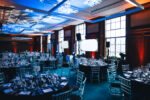
Corporate Entertainment: What’s the best corporate entertainment for a UK awards dinner with 200 to 500 guests?
Clients planning an awards dinner this size usually worry about one thing first: filling the evening without it feeling padded out, a DJ and a photo booth bolted on because that’s what company events default to. We worry about something more specific: whether the room’s energy holds across three hours, with a formal ceremony sitting right in the middle of it, and 200 to 500 people who got dressed up for a reason.
Get the entertainment right and it earns its keep: it carries guests through arrival, holds the room during the quieter stretches of the ceremony, and gives the night a proper send-off once the last award’s been handed out. Get it wrong and even a beautifully run ceremony can feel like a very long dinner with a stage. Here are 11 formats that genuinely earn their place at a company awards dinner for 200 to 500 guests, and where each one fits into the evening.
The short version: no single act carries an awards dinner this size on its own. The evenings that work build a small run of entertainment matched to specific moments, roaming acts for arrivals and the drinks reception, a stage interlude or two to reset attention between award blocks, and a live band or DJ (or both) to take the room from dinner into dancing once the ceremony wraps. A proper photo moment and a dancefloor built for the room round it out. None of it needs to be huge. It just needs to land in the right place.
Where the entertainment falls flat, and where it lands
| The entertainment that falls flat | The entertainment that lands |
|---|---|
| One DJ booked for the whole night because that’s the default choice. | A short run of acts, each doing a specific job across arrival, dinner, the ceremony and the finale. |
| Entertainment that competes with the awards for attention. | Entertainment that frames the ceremony and gives the room somewhere to look when it pauses. |
| A photo booth nobody queues for and nobody remembers by Monday. | A photo moment guests actively want, and keep. |
| A dancefloor that’s just whatever flooring the venue already had. | A proper dancefloor, built for the room, ready the second dinner ends. |
The difference is almost never down to budget. It comes down to whether someone planned the run of the evening, or just grabbed the first few acts that came to mind.
1. A live band to power the after-dinner dancefloor
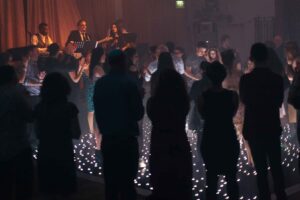
Once the last award’s been handed out, a live band is what turns a room of people in evening wear into a room of people dancing. A 4-piece band works for a tighter room of 200, while a 5-piece band fills the sound better across a 400 to 500 guest ballroom without needing the volume pushed uncomfortably high.
A 4-piece typically starts from around £2,995 and a 5-piece from around £3,495, and most sets run 60 to 90 minutes split across two performances either side of a short break, timed so the band takes the room straight from the applause into the first dance rather than leaving a dead patch while the stage gets reset. Ask what the band brings versus what the venue needs to supply (their own PA and lighting, or yours), since that’s usually where quotes start to diverge.

2. A professional DJ to bridge dinner into the dancefloor
A DJ earns its place either alongside a band, taking over once the live set finishes, or as the standalone option for rooms where a full band isn’t the right fit. The job is pacing: reading a room of 300-plus people and building energy gradually rather than opening at full volume the second the ceremony ends.
Professional DJ packages typically start from around £1,295 and usually run for the remainder of the evening once the ceremony wraps, often two or three hours, which makes a DJ the more flexible option for events without a fixed finish time. It’s also the format that adapts fastest to a room, dropping the tempo if the floor empties or building it back up without needing a set list agreed in advance.
3. Close-up magic worked through the drinks reception
Before guests are seated, a roaming magician gives a large arrival crowd something more interesting to do than nurse a drink and make small talk. Close-up magic works table by table or cluster by cluster, so it scales naturally whether 200 or 500 people are moving through the reception.
A single magician comfortably works a room of 200 over a 45-minute reception, from around £1,295, and for 400 to 500 guests it’s worth booking two acts working opposite ends of the room rather than one covering the whole floor. The best return comes from timing it to the window before guests are seated. Once dinner starts, the moment’s usually passed.
4. A mind reader as a stage interlude between award blocks
Award ceremonies with 15 or 20 categories need a reset point somewhere in the middle, a few minutes where the room’s attention shifts without the night losing momentum. A short mind reader segment does that job well: it’s genuinely interactive, and it hands attention straight back to the stage the moment it’s done.
A mind reader typically runs from around £2,500 for a 15 to 20 minute set worked directly with the audience via a roaming mic, rather than a formal stage booking, which is exactly why it resets the room instead of adding to the formality. It sits best roughly halfway through the ceremony, after the room’s had a chance to settle but before attention starts to properly drift.

5. A pianist and singer duo for arrivals and dinner
For the quieter stretches, arrivals and the meal itself, a pianist and singer duo sits underneath conversation rather than over it. It’s a deliberately different job to the after-dinner band: background rather than centrepiece, there to stop a large formal room ever feeling flat or silent.
A pianist and singer duo (or a pianist and guitarist pairing, if you’d rather skip vocals during speeches) runs from around £1,995, and typically covers two sets: one through arrivals, one through the meal, with a break either side of any speeches so nothing competes with the mic. For a 400 to 500 guest room, check the venue’s acoustics before booking. A duo built for an intimate dinner can get swallowed by a genuinely large space without proper amplification.
6. A vocal powerhouse act for the finale
Closing an awards dinner with a genuine vocal showstopper, rather than letting the evening just trail off after the last category, gives 200 to 500 guests one final moment to remember on the way out. It works best placed right at the end, after the formalities and before the room properly shifts into dancing.
An act like Tenors Unlimited runs from around £4,500 and typically performs two or three numbers straight after the final award, timed so applause for the last winner rolls straight into applause for the performance. It’s a bigger single line item than most of the acts on this list, so it tends to work best as the one moment of the evening you spend properly on, rather than one of several similarly priced bookings.

7. Roaming caricaturists through the reception
Caricaturists give guests a genuine keepsake rather than a passive experience, and they work particularly well for larger crowds because each sitting is quick, so the queue keeps moving. They suit the reception or the gap before the ceremony starts, when people are milling rather than seated.
A single artist starts from around £1,295 for the evening and can typically get through a good number of guests over a 90-minute reception, working fast, simple sketches rather than a single detailed portrait. For a 400 to 500 guest crowd, book two artists side by side so the queue never puts people off joining it.

8. A premium photo moment guests keep
The gap between a photo booth nobody remembers and one people genuinely queue for usually comes down to setup. A branded mirror booth or a photo mosaic wall built into the room’s theming gives guests something grin-inducing to stop for, and leaves the event with a set of images that circulate long after the night’s over.
A mirror booth or photo mosaic wall runs from around £1,195 to £2,500 with a host included, which matters more than it sounds for a 200 to 500 guest room since it’s the host who keeps the queue moving and the props from disappearing. Placing it near the entrance or bar (rather than tucked in a side room) is usually what turns it from an option guests notice into one they use.

9. Roaming visual performers to set the tone at the door
The first couple of minutes set the tone for the whole evening, and a striking roaming visual act at the entrance (LED-lit dancers, or a similarly eye-catching performer) signals straight away that this is a proper production rather than a standard dinner. It’s a small addition that does a lot of work for very little of the evening’s running time.
Options like disco ball head dancers start from around £975, with flower-themed roaming performers from around £1,295, and both typically work the door or the drinks reception for 30 to 45 minutes rather than the full evening. That’s usually all it takes. Once guests are seated for dinner, the moment this act is built for has already passed.
10. A proper dancefloor, built for the room
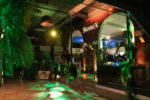
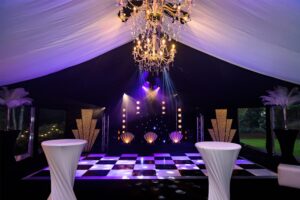
A dancefloor that’s an afterthought (whatever flooring the venue already has lying around) undercuts every band or DJ set placed on top of it. A dedicated dancefloor built to the room’s dimensions gives the after-dinner entertainment somewhere it visibly belongs, rather than an open patch of carpet near the stage.
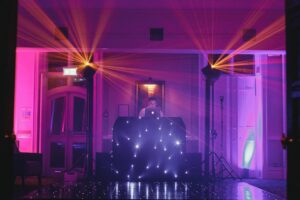
A starlit dancefloor runs from around £750, and a black and white finish from around £695, both sized to the room rather than sold as a fixed panel count. For 200 to 500 guests, get the dimensions to your supplier alongside the band or DJ booking so the floor’s ordered to fit the crowd it needs to hold, not just the space that happened to be free.
11. Cinematic lighting and staging that frames every winner’s moment
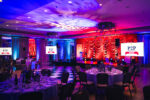
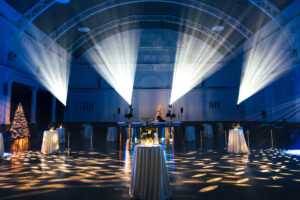
The entertainment that gets overlooked most at an awards dinner isn’t a booked act. It’s the lighting and staging built around the ceremony itself. A deliberate build for each winner’s announcement, a settled state, a hit of colour and movement, then a bright, flattering settle, does more to make 200 to 500 guests feel part of the moment than almost anything booked separately.
Full ceremony production (rigging, lighting and staging built around the awards itself) typically runs from £5,000 to £25,000 or more, depending on room size and how many category moments need their own cue. It’s the widest price range on this list because it scales with the ceremony’s ambition rather than a fixed package, so it’s worth talking through the room and the running order early rather than booking it as an afterthought once the acts are already confirmed.
Where awards dinner entertainment quietly falls short
Booking one act to do the whole evening’s work. A single DJ or band asked to cover arrivals, dinner and the finale ends up doing all three jobs averagely rather than any of them well.
Letting entertainment compete with the ceremony. Loud or attention-grabbing acts placed too close to the award announcements pull focus away from the winners, who are the actual reason for the night.
Forgetting music licensing. Live bands and DJs performing at a commercial event usually fall under PRS for Music licensing, and it’s worth confirming whether your venue already holds cover before assuming it’s included.
Treating the dancefloor as an afterthought. Bolting a band or DJ onto whatever flooring the venue already has undercuts the one moment the evening is building towards.
Booking too close to the date. Acts genuinely suited to a 200 to 500 guest formal room get booked out well in advance, particularly across the awards-season calendar
Our advice for booking entertainment at a UK awards dinner
Match acts to moments rather than booking one act for the whole night: roaming entertainment for arrivals, background music through dinner, an interlude or two during the ceremony, and a band or DJ for the finish.
Check music licensing before you sign anything. Ask your venue directly whether PRS and PPL cover is already in place, since it isn’t always included by default.
Ask what’s included in a live act’s quote: sound engineer, set length, breaks between sets, and any equipment they bring versus what the venue needs to provide.
Brand the photo moment and the dancefloor to match the ceremony’s theming, so the parts of the night guests photograph most also carry your event’s identity.
Book 3 to 6 months ahead for a 200 to 500 guest date, especially across the busier autumn and December awards season.
What we handle for awards dinner entertainment
We deliver the full run of entertainment for UK awards dinners: roaming reception acts, stage interludes, the band and DJ that carry guests into the finale, and the staging, lighting and AV that frame the ceremony itself.
Suzie Neuwirth, Founder & Editor-in-Chief of Peer2Peer Finance News, summed up her ceremony with us: “It was the first awards event for the magazine… we had so much good feedback, the atmosphere was great, the production worked so well. I just couldn’t say enough good things about it.”
Every event is backed by our satisfaction guarantee, and you can see more of this in practice across our case studies.

Frequently asked questions
What’s the best corporate entertainment for a 200 to 500 guest awards dinner?
There isn’t one single format. The evenings that work best combine roaming acts for arrivals, background music through dinner, a stage interlude between award blocks, and a live band or DJ to carry the room into dancing once the ceremony ends.
How much does corporate entertainment cost for a UK awards dinner?
Individual acts typically range from around £1,000 for a roaming performer or duo to £3,000 to £4,500 for a full live band or a headline vocal act, with photo experiences and dancefloors adding a few hundred to a couple of thousand pounds depending on scale.
Do you need a PRS or PPL licence for live music at a corporate awards dinner?
Usually, yes. Live bands and DJs performing at commercial events typically fall under PRS for Music licensing, and some venues already hold this cover. It’s worth confirming directly with the venue rather than assuming it’s included.
How many entertainment acts do you need for one evening?
For most 200 to 500 guest awards dinners, three to five distinct elements cover the evening properly: something for arrivals, something through dinner, one interlude during the ceremony, and a band or DJ for the finish.
Should entertainment happen before, during, or after the awards ceremony?
All three, but doing different jobs. Roaming acts suit arrivals, background music suits dinner, a short interlude works between award blocks, and the band or DJ takes over once the ceremony itself has finished.
What’s the difference between booking a live band and a DJ for an awards dinner?
A live band brings visible energy and works well for a defined set before handing over, while a DJ offers more flexibility on timing and can run continuously from the end of the ceremony through to the last dance without a changeover.
Is a photo booth still worth it at a formal awards dinner?
Yes, provided it’s set up as a genuine moment rather than an afterthought. A branded mirror booth or photo wall integrated into the room’s theming gets used far more than a generic booth pushed into a corner.
How far in advance should entertainment be booked for a UK awards dinner?
Three to six months is a safe window for a 200 to 500 guest date, and earlier still if the event falls during the busier autumn and December awards season, when strong acts book out first.
Can entertainment be branded to match our awards ceremony theme?
Yes. Photo experiences, dancefloors and staging can all carry your branding, so the parts of the evening guests interact with most also reinforce the ceremony’s identity.
What happens if an act underperforms or doesn’t turn up on the night?
With us, every event is backed by a satisfaction guarantee, so if an element of the entertainment doesn’t deliver, you’re not left covering the cost of something that didn’t work.

Written by
Ellie Perrett
Account Manager
Ellie joined Clownfish in July 2024, bringing years of events experience and a Hospitality Management degree from Surrey. She believes corporate events should be fun, turning the “same old” into grown-up playgrounds that get adults giggling because when people feel good, everything else is easy.
Outside work, Ellie enjoys cooking, working out and honing her wine-tasting skills. Her favourite Clownfish kit is Mario Kart, and her potato of choice? A beef-dripping triple-cooked chip with peppercorn sauce.
Planning entertainment for a UK awards dinner?
We’ve delivered entertainment and full production for awards dinners across the UK for clients including Google, Amazon and Peer2Peer Finance News, backed by our satisfaction guarantee and more than 650 five-star reviews. If you know roughly what you’re planning but want help building the right run of entertainment, we’d like to hear about it.

