Repurpose event footage: A practical guide to repurposing event footage into marketing content, internal communications and sales material long after the last guest has gone home.
Most companies filming a corporate event worry about the day itself. Will the crew keep up with a packed agenda? Will the sound hold up? Will the lighting flatter the CEO’s keynote?
We worry about what happens afterwards. Whether the footage earns its cost over the next six months, or sits untouched on a shared drive until someone deletes it by accident.
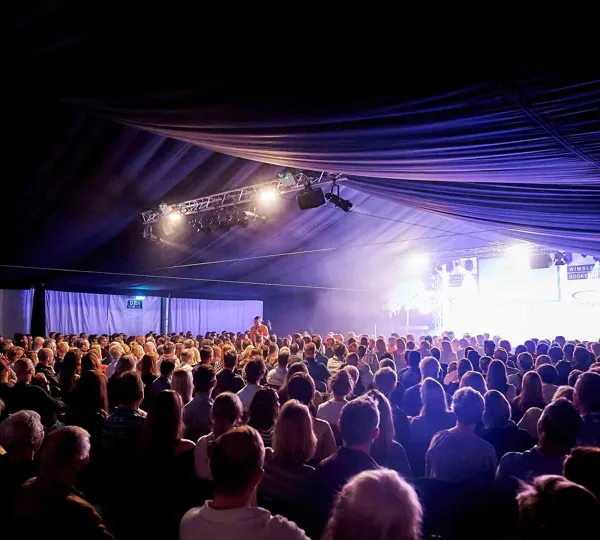
That gap between filming an event and using the footage is where much of its value gets lost. A conference, launch or company party produces hours of material that nobody outside the room was ever meant to watch from beginning to end. The job afterwards is to shape it into the handful of assets people will actually watch and share.
The short version: event footage can become social highlight reels, website content, sales material, internal communications, recruitment content and press or stakeholder reporting. Raw files are normally delivered first, with an edited highlight reel and platform-specific clips following according to the agreed brief. In the wider UK market, editing may cost around £400 to £1,500 depending on footage volume and the number of deliverables. Booking filming and editing together helps prevent post-event costs becoming an unwelcome surprise.
Where Footage Repurposing Falls Flat and Where It Lands
The difference between footage that gets forgotten and footage that keeps working for your business is easy to see in the months after an event.
| Where it falls flat | Where it lands |
|---|---|
| House lights stay on full throughout the ceremony. | A short highlight reel is ready for the website and LinkedIn while the event is still fresh. |
| One 16:9 video gets awkwardly cropped for Instagram Stories and looks amateurish. | Vertical and square cuts are planned before filming, so every platform gets a suitable version. |
| Marketing only discovers the footage when someone asks HR for something from the event three months later. | A content plan is agreed before the event, so the reel, social clips and internal recap have clear owners and dates. |
| A rushed edit uses music that cannot be published, so the video gets muted or removed. | Music licensing, captions and platform requirements are considered before the final edit is delivered. |
None of that comes down to luck. It comes down to whether the people filming your event understand what happens to the footage next and plan for it from the first camera position.
If you want your footage to become useful content rather than another folder on a shared drive, plan your event video production and post-event deliverables with our team.
What Can Companies Do With Event Footage Afterwards?
Footage from one event can usually support five practical uses. The size of the event changes the volume of content, but the categories stay broadly the same.
A 40-person away day and a 500-guest awards ceremony can both produce a highlight reel, social clips, internal content, sales material and press assets. The larger event simply creates more opportunities within each category.
Marketing content
A highlight reel can become the hero video on a website, a landing page or the opening section of a pitch deck. Short clips can support a campaign, social post or event registration page.
Sales enablement
Prospects and sponsors get to see what your events look like rather than relying on a written description. That matters commercially because a polished video can turn a claim in a proposal into visible proof of delivery.
Internal communications
A conference keynote or company away day recap can bring the event to colleagues who could not attend. Short clips can also be used in the next town hall or on the company intranet.
Recruitment and employer brand
Culture footage from a summer party, team event or company conference can show prospective employees how the organisation behaves when people are together. It often feels more credible than another stock image of people smiling around a laptop.
Press and stakeholder reporting
Charity dinners and fundraising events can use footage to show the atmosphere, explain the cause and keep supporters involved after the event. At one black-tie fundraising dinner we filmed for Action Medical Research’s Champions of Cyclesport, £290,000 was raised on the night. The emotional video stories shown to the room supported the fundraising ask, and footage from the event continued to provide useful material afterwards.
The client that sees several uses from one shoot gets considerably more from its filming budget than the client that only receives a highlight reel.
See how we approached the filming and staging for that event in the Champions of Cyclesport case study.
If you already know you need more than one finished asset, request a quote and we’ll scope the filming around your social, sales, internal communications and recruitment goals.
How Is Event Footage Repurposed for Marketing?
Repurposing event footage is mainly an editorial process. The technology matters, but the important decisions happen when someone reviews the material and decides which moments are worth keeping.
An editor logs the raw footage and identifies moments such as:
- A strong soundbite from a speaker
- An unscripted reaction from a guest
- A wide crowd shot with useful branding in frame
- A product demonstration
- A memorable performance or award announcement
- A moment that shows the atmosphere of the event
The highlight reel is often created first because it becomes the master asset from which other edits can be developed. Three to six short clips may follow, with each one built around a single moment rather than acting as a rushed version of the full reel.
Stills can be pulled for a recap article or LinkedIn carousel. A short edit can be included in a follow-up email while the event is still fresh in people’s minds. Longer sections may be used for a sales presentation, recruitment page or stakeholder report.
The commercial reason for doing this is straightforward. Video gives potential buyers, employees and stakeholders a way to see the event rather than simply read about it. Market research from Wyzowl reports that video is widely used by marketers for brand awareness, lead generation and social content. Verify the latest figures before publishing because these statistics change with each annual report. See the current Wyzowl video marketing statistics.
None of that value appears if the footage never becomes something people will actually watch. We can keep the filming and editing brief connected rather than handing footage to an unrelated editor weeks later. That gives the post-event team more context about what happened in the room and which moments mattered to the client.
If your event still needs filming booked, our event video production service covers the brief from filming through to the agreed deliverables.
Our Loaf Summer Party case study shows how event footage can move from filming to a finished reel that the client’s own team can share.
What Formats Should Event Footage Be Delivered In?
Start by archiving the master files properly. Depending on the agreed service, this may mean full-resolution raw footage, edited master files or both. The exact handover should be confirmed in writing before the event.
A well-organised archive gives your team options later. A future rebrand, campaign or recruitment project may need footage that was not part of the original brief. Going back to the master files is much more useful than discovering that the only copy is a compressed social clip.
Everything else should be created for the platform where it will be watched. The shape that works on a website homepage is rarely the right shape for a phone screen.
| Where it’s going | Aspect ratio | Typical length |
|---|---|---|
| Website or YouTube | 16:9 landscape | 60 to 90-second highlight reel, or a 2 to 4-minute recap |
| LinkedIn or Instagram feed | 1:1 square or 4:5 | 15 to 45 seconds |
| Instagram Reels, TikTok or vertical LinkedIn | 9:16 vertical | 15 to 30 seconds |
| Internal communications or intranet | 16:9, captioned | 2 to 5 minutes |
Captions matter because many social videos are watched without sound. A clip that depends on an opening sentence can lose its meaning if viewers cannot hear it.
Music licensing also needs attention. Using whatever music happened to be playing at the event can result in a video being muted, flagged or removed after publication. Agree how music will be sourced and licensed before the edit begins.
If landscape, square and vertical cuts all need to come from the same shoot, tell your production team at the booking stage. Our event video production service can plan the framing around every intended format before a camera rolls.
How Long Does Editing Event Footage Take?
Turnaround depends on three main factors:
- How much footage needs to be reviewed
- How many formats need to be created
- How many rounds of client revisions are included
A single highlight reel from a half-day event may be realistic within two to three weeks. A fuller package containing a reel, several social cuts, stills and a written recap may need three to four weeks.
A same-day or next-day teaser may be possible when speed matters more than polish. That needs to be agreed before the event so the editor can prioritise a short rough cut while the full edit follows later.
Trying to add a rapid turnaround after the cameras have packed down creates pressure at exactly the wrong point. The footage still needs to be reviewed, selected, edited, captioned, branded and approved.
Booking a supplier that can carry the brief from filming into editing may also remove one common source of delay. The editor already understands the event, the running order and the agreed priorities.
If a set date matters, such as a product launch or campaign announcement, include it in your quote request so the editing schedule can be planned around it.
How Much Does It Cost to Repurpose Event Footage?
Raw footage costs less to hand over because it does not include the work involved in reviewing, selecting, editing, grading, captioning or adding music.
An edited highlight reel and a set of platform-specific clips cost more because they require editorial time and additional deliverables. Branding, motion graphics, subtitles, colour correction, music licensing and revision rounds may also affect the price.
As a broad UK benchmark, freelance corporate video editors may charge several hundred pounds per day. A single event highlight reel may cost around £400 to £1,500 depending on how much footage exists and how many finished assets are required. These are market reference figures, not fixed Clownfish pricing, and should be checked against current supplier quotes.
The length of the finished video is only one part of the calculation. A five-minute edit from twelve hours of multi-camera footage can take considerably longer than a five-minute edit from 90 minutes of single-camera footage.
The number of deliverables matters too. One master video requires a different workflow from a master reel, five social cuts, two vertical edits, stills and an internal recap.
This is why it is useful to discuss filming and editing together. The cost of turning footage into usable content should be part of the original production decision rather than an unexpected second invoice after the event.
If you already know whether you need one reel or a complete set of social cuts, contact our team and we’ll price the actual deliverables rather than a generic editing day rate.

Where Footage Repurposing Quietly Falls Short
Nobody owns the footage after the event: it sits with whoever happened to receive the memory card, and ownership never reaches marketing or communications.
The event is filmed for the room rather than future content: a single wide shot may cover the live event, but it gives an editor little variety for short-form videos.
No deliverables are agreed beforehand: who edits the footage, what gets created and when it is needed are all decided after the event.
Music licensing is ignored: music from the event ends up in the edit and the finished video gets muted, flagged or removed.
The raw footage is treated as the finished product: the filming is booked and delivered, but the edit that would make it useful never gets commissioned.
Most of these mistakes begin before the event. Someone needs to decide who owns the footage, what it is for and when it needs to be ready.
Avoid paying for footage that nobody has a plan to use. See how Clownfish approaches filming and content delivery on real corporate events.

What Should You Ask Before Booking Event Footage?
Before you book event filming, ask:
- Who will film the event?
- Who will edit the footage afterwards?
- What deliverables are included?
- Will the footage be supplied in landscape, square and vertical formats?
- Are captions included?
- Is music licensing included?
- How many revision rounds are included?
- When will the first edit be delivered?
- Who owns the master files?
- How long will the files be stored?
- Can the footage be used for social, sales, recruitment and internal communications?
- What happens if the event schedule changes?
These questions are not administrative details. They determine whether the footage becomes a useful content library or a collection of files that your team never has time to review.
If you want filming and post-event content planned under one brief, request a quote that includes your deliverables, formats, turnaround and file ownership.

What Is the Best Way to Plan Event Footage Before Filming?
Agree the deliverables before the event: decide whether you need a highlight reel, social clips, stills, a blog embed, internal content or sales material.
Tell the filming team where the content will be used: the intended platforms influence framing, camera positions and the moments the crew prioritises.
Plan for both landscape and vertical formats: adapting one 16:9 master afterwards can produce awkward crops and weak compositions.
Create a realistic content calendar: give the finished footage a publication date and an owner before the event takes place.
Keep the master files: a future rebrand, campaign or recruitment project may give the footage a second life.
Agree the approval process: identify who can approve the edit and how quickly feedback will be returned.
Take this checklist into your next production conversation. Our quote form lets you set out deliverables, turnaround and file requirements before the event rather than chasing them afterwards.

What’s Included in an Event Footage Repurposing Booking?
The exact inclusions should always be confirmed in the quote. Depending on the brief, an event footage repurposing booking may include filming, footage review, a full-length master edit, a highlight reel, platform-specific social cuts, captions, music licensing, basic branding, revisions and an organised file handover.
The most useful arrangement is one where the filming brief and the editing brief speak to each other. The people planning the edit understand what happened at the event, which moments were important and which messages the client wants to carry forward.
David White, PR and Social Media Manager at Loaf, described the experience after we filmed and produced their summer party:
“The process was super easy, I could actually enjoy it.”
That is the standard we aim for on every booking. The production should remove pressure from the organiser while giving the wider team content they can use afterwards.
Our service is backed by a satisfaction guarantee. If the agreed production does not deliver, you do not pay for that part of the service. You can see more examples in our case studies.
If you want filming and editing handled under one brief, explore our event video production service or contact the team to discuss your event.

Frequently asked questions
What can companies do with event footage afterwards?
Companies can turn event footage into highlight reels, social clips, website content, sales material, internal communications, recruitment content, press assets and stakeholder reports. The best uses depend on the event and who will own the footage afterwards.
How is event footage repurposed for marketing?
An editor reviews the raw footage, selects the strongest moments and creates a master edit. Shorter clips, stills and platform-specific versions can then be created from the same material.
What formats should event footage be delivered in?
Ask for the formats that match your intended channels. A website or YouTube video may use 16:9 landscape, while social content may need square, 4:5 or 9:16 vertical versions. Internal communications may require longer, captioned edits.
How long does editing event footage take?
A straightforward highlight reel may take around two to three weeks. A wider package containing social cuts, stills and a written recap may take three to four weeks. Footage volume, revision rounds and the number of deliverables all affect turnaround.
How much does it cost to repurpose event footage?
A broad UK planning range for editing a single event is around £400 to £1,500, depending on footage volume and deliverables. A confirmed price needs to account for filming, editing, captions, music licensing, branding, revisions and file delivery.
Who owns the footage after a corporate event?
Ownership should be agreed in the booking terms. Confirm who owns the raw footage, edited masters and finished social clips, as well as how long the production company will retain the files.
Can old event footage still be repurposed months or years later?
Yes, provided the master files were archived properly and the footage remains relevant. A conference from two years ago may still provide material for recruitment, a case study, a rebrand or a new campaign.
Should event footage be edited in-house or by a professional editor?
An in-house team may manage a simple internal recap. Professional editing is more useful when you need several formats, licensed music, captions, colour correction, consistent branding and a polished finish.
Does event footage need music licensing?
Public-facing video normally needs appropriately licensed music. Using music that happened to play at the event can result in the finished video being muted, flagged or removed from a platform.
What should companies ask for before booking event videography?
Ask who will film and edit the footage, what formats are included, how long editing will take, how many revisions are allowed, who owns the master files and whether the footage will be suitable for social, sales, recruitment and internal use.

Written by
Rebecca Wheatley
Senior Account Manager
Rebecca joined Clownfish in October 2025 and has been keeping a hundred moving parts on track without breaking a sweat ever since. Off the clock, she’s a performing arts enthusiast and self-confessed traveller equally at home on a stage, on a plane, or dangerously close to a coffee machine. Ask her about the manatee thing. She has a theory.
Ready to get a quote for your event?
We’ve been filming and editing UK corporate events in-house since 2009, with our team carrying the brief from the event itself into the agreed post-event content. Our production work is supported by over 650 five-star reviews across Google and Reviews.co.uk, clients including Google, Amazon, Netflix, Spotify, Atlassian and Lloyds, and a genuine satisfaction guarantee.
If you’ve got an event coming up or footage sitting unused, explore our event video production service or contact the Clownfish team.