

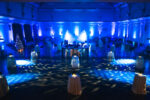
Awards ceremony lighting: how do you make the winner feel like the most important person in the room?
Awards ceremony lighting should make the winner, not the venue, the thing guests remember. A dedicated keylit stage, well-timed spotlight cues, warm room lighting and camera-friendly colour temperatures can turn a plain conference room into a genuine celebration.
Get the lighting wrong and the whole evening can feel flat. House lights stay on full, presenters disappear against bright screens and winners wait awkwardly for a spotlight to find them. That moment only lasts a few seconds, but it can shape how the entire ceremony feels.
The short version: a strong awards ceremony lighting setup usually includes dedicated stage lighting, pre-programmed spotlight cues, warm uplighting, balanced screen brightness and an experienced operator who has rehearsed the key moments. Lighting-only costs typically range from around £1,200 for a small dinner to £18,000 or more for a large gala. A wider awards ceremony production including sound, staging and screens often costs between £5,000 and £25,000 or more. Book the production team around 8 to 12 weeks ahead where possible, especially if the venue has limited rigging or the event falls during a busy season.
What Falls Flat and What Lands at an Awards Ceremony
The difference between average awards ceremony lighting and a setup that feels genuinely special is easy to see from the guest’s seat.
| Where it falls flat | Where it lands |
|---|---|
| House lights stay on full throughout the ceremony. | The room is dimmed and zoned so attention stays on the stage. |
| One roaming spotlight tries to find each winner live. | Pre-programmed cues light each marked position on time. |
| The screen behind the presenter is brighter than the presenter. | Screen and stage brightness are balanced. |
| A single system runs the entire show with no contingency. | The crew has backup equipment and a plan for likely failures. |
| The room feels like a conference space after dinner. | Uplighting changes the room into a proper evening setting. |
The difference usually comes down to preparation and the team operating the rig. It is rarely down to luck.
If you’re planning an awards ceremony in London, request a quote for awards ceremony lighting designed around your venue, guest numbers and running order.
Why Does Lighting Matter at an Awards Ceremony?
An awards ceremony exists to recognise people in front of an audience whose opinion matters to them. Lighting helps deliver that recognition. It turns a name being read from a card into a moment that feels significant.
That matters commercially too. Employees who feel appreciated are more likely to feel connected to their organisation and want to stay with it. Recognition events are often one of the most visible expressions of company culture, so the way the ceremony feels can influence how guests remember the business afterwards.
Lighting also affects the practical value of the event. Winners may use photographs and video from the ceremony on LinkedIn, internal channels and company websites. Sponsors may want strong images for their own marketing. A properly lit stage gives those photographs a much better chance of doing useful work after the evening finishes.
On our own awards ceremony production work, including Surrey Storm’s netball awards dinner and CycleSport’s fundraising dinner, lighting has helped change rooms from functional spaces into settings that feel worthy of the occasion.
If the room needs to feel like a genuine awards ceremony rather than a dinner with a stage, talk to our team about your awards ceremony production.

What Lighting Setups Work Best for Awards Stages?
The most effective awards ceremony lighting usually combines four layers.
Dedicated key and stage lighting:
A key light gives the podium and presentation area consistent illumination. It remains independent from the venue’s general house lights, so presenters and winners stay visible even when the wider room changes state.
Venue lighting is often designed for general illumination rather than presentation. It can leave faces flat, create shadows or make the stage feel disconnected from the rest of the room.
Spotlighting:
Spotlights should guide attention towards the person receiving the award. A manually operated follow spot can work, but pre-programmed intelligent spot cues are often more reliable for a structured ceremony.
The stage team can mark the podium, winner’s position and photography spot in advance. Each position can then have its own lighting cue. That means the winner is lit when they reach the mark, rather than waiting for an operator to chase them across the stage.
Uplighting and atmosphere:
Warm uplighting on walls, columns or trussing changes the mood of the room. It helps a hotel ballroom or conference space move from daytime function to evening event.
Brand or sponsor colours can also be used carefully. This gives the event a consistent visual identity without covering every surface in logos.
Camera and photography lighting:
Awards ceremonies are photographed and filmed heavily. Lighting that looks acceptable to the eye can still produce poor results on camera if the colour temperature clashes with screens, venue fittings or stage effects.
A lighting designer should consider the camera position, screen content and venue lighting together. That is particularly important if winners will be photographed on stage or if the ceremony will be recorded for later use.
Need stage lighting, uplighting and camera-friendly production planned together? Explore our audio-visual production service.
How Do You Light the Moment a Winner Is Announced?
The winner’s walk should be planned and rehearsed before the event. Equipment alone cannot fix a cue that has never been tested.
Mark the important positions on the stage floor:
- The photography position
- The presenter’s position
- The winner’s step-up point
- The award handover position
Each position can have a programmed cue. The lighting operator then triggers the correct cue instead of trying to follow a moving person in real time.
Rehearse the complete movement with a stand-in. Run it alongside the actual name announcement, music, video or stage effect that will happen on the night. This reveals timing problems before guests are watching.
Lighting should also be coordinated with effects such as confetti, video playback or music changes. At the CycleSport fundraising dinner, the spotlight and confetti moment needed to work together. The winner had to be lit before the effect fired, so the room experienced one clear celebration beat.
A good ceremony does not make guests notice the technical cues. It makes the moment feel effortless.
The winner’s moment deserves more than a last-minute spotlight. See how we deliver awards ceremonies in real event settings.

How Should Lighting Change Between the Ceremony and the After-Party?
The formal ceremony and the after-party need different lighting states.
During the ceremony, the lighting should support attention and recognition. The stage needs a clean key light, the room should feel warm and comfortable, and nothing should compete with the presenter or winner.
After the awards, the room has a different job. Guests are ready to talk, celebrate and take part. Static ceremony lighting can suddenly feel low-energy, even if it looked right half an hour earlier.
A stronger plan includes two programmed states from the start. Stage lighting can become more restrained while moving heads, colour washes and dancefloor lighting become more prominent. The transition should feel deliberate rather than like someone has switched off the presentation lights and hoped for the best.
At Surrey Storm’s netball awards dinner, the venue was described as “essentially a big studio” before the transformation. The lighting helped create a gala dinner atmosphere for the formal section, then supported a livelier celebration afterwards.
If your evening moves from formal awards to dinner, dancing or entertainment, plan both lighting states with our event team.

What Does Awards Ceremony Lighting Cost in the UK?
The cost depends mainly on guest numbers, room size, ceiling height, rigging access, stage design, cue complexity and the amount of design and operating time required.
The following ranges are indicative lighting-only figures before sound, staging and screens are added. They should be confirmed against the venue and production brief.
| Ceremony size | Indicative lighting-only cost excluding VAT | What this may include |
|---|---|---|
| Small dinner, 50 to 150 guests | £1,200 to £3,500 | Stage wash, key lighting, spot cues and basic room uplighting |
| Mid-size gala, 150 to 350 guests | £3,500 to £8,000 | Extended uplighting, moving heads and a dedicated operator |
| Large gala, 350-plus guests | £8,000 to £18,000 or more | Larger rig, trussing, multiple cue states, red carpet lighting and branded effects |
A complete awards production with sound, staging and screens commonly sits between £5,000 and £25,000 or more, depending on the brief. Lighting works best when it is planned with the rest of the production because cues need to work alongside sound, video and stage movement.
What you are paying for is not simply a collection of fixtures. The value sits in the design, programming, equipment checks, venue planning, technical operation and contingency thinking that keep the ceremony moving when guests are watching.
Awards lighting is not subject to the Christmas booking minimum that applies to Christmas entertainment packages. A smaller internal recognition dinner can therefore be quoted according to its own production needs. Want a figure based on your actual guest count and venue rather than a national average? Request a tailored awards ceremony lighting quote.
What’s the Difference Between Lighting a 50-Guest Dinner and a 500-Guest Gala?
A 50-guest dinner usually presents a different technical challenge from a 500-guest gala.
A smaller hotel function room may have a low ceiling, limited rigging points and a compact stage. Freestanding truss and carefully placed fixtures can provide the required coverage without overwhelming the room.
A 500-guest gala may take place in an exhibition hall or purpose-built venue with proper rigging infrastructure, a deeper stage and a longer guest sightline. The production may include wider uplighting, moving heads, branded gobos, red carpet lighting and multiple camera positions.
The middle-sized hotel ballroom can be the most awkward option. It may be too large for a simple setup but lack the ceiling height or rigging access needed for a large one. A venue survey before booking helps identify those limitations early.
Venue height, rigging access and sightlines all affect the right setup. If your venue is not confirmed yet, ask our team about venue sourcing and event management.

What Lighting Mistakes Hurt the Atmosphere at an Awards Ceremony?
- Leaving house lights on full throughout: this flattens the room and makes photographs look harsh. A dimmed, zoned room gives the stage greater presence.
- Using an unrehearsed roaming spotlight: a follow spot that misses the winner’s mark creates an awkward pause in the most important part of the evening.
- Allowing screens to overpower the stage: a bright screen can pull attention away from the person speaking. Screen and stage brightness need to be balanced.
- Removing uplighting to save money: uplighting is often one of the most efficient ways to make a hired room feel like an evening occasion.
- Running the rig without contingency planning: a failure during a ceremony is highly visible. Backup equipment and an experienced operations team reduce the risk.
The best protection against these problems is an experienced production team that owns and maintains its equipment, knows the venue and has rehearsed the running order. Avoid discovering a lighting problem when your first winner is already walking to the stage. Talk through your venue, schedule and production risks with the Clownfish team.

What Should You Ask Before Booking Awards Ceremony Lighting?
Can the lighting team survey the venue before the event? Ceiling height, rigging access, power and stage position all affect the design.
Will the lighting operator attend the rehearsal? The operator should understand the winner’s route, presentation marks and timing cues.
Who owns and maintains the equipment? In-house equipment gives the supplier more control over testing, preparation and contingency planning.
Will lighting be coordinated with sound, screens and staging? A joined-up production avoids technical handoffs becoming someone else’s problem.
Can the supplier provide lighting for both ceremony and after-party states? This avoids a formal ceremony setup that feels flat once guests are ready to celebrate.
What happens if the equipment or service fails? Ask about the supplier’s contingency plan and guarantee before booking.
Where possible, book 8 to 12 weeks ahead. Earlier planning is sensible for busy awards periods, December events and venues with complicated rigging requirements.
If you’re comparing venue lighting with a specialist production team, see how we coordinate lighting, sound and staging.

What’s Included in an Awards Ceremony Lighting Booking?
Clownfish has designed and operated lighting for corporate events in London since 2009, from smaller internal recognition dinners to large gala events. Our own equipment is held across four warehouses, and our team handles the preparation, delivery, setup and operation.
That control matters on a live event. The same organisation is responsible for the equipment, the planning and the people running the room. You are not relying on an unknown subcontractor arriving shortly before doors open.
Jess Valentine, Marketing Manager at Surrey Sports Park, described the transformation of their Surrey Storm awards dinner:
“The biggest thing on the day was the complete transformation of the room. It was essentially a big studio before, and they completely transformed it into what was an incredible gala dinner.”
We’ve earned over 650 five-star reviews on Reviews.co.uk doing exactly this for companies including Google, Amazon, Netflix, Spotify, Atlassian and Lloyds. We also offer a genuine money-back guarantee. If the entertainment or production does not engage guests, equipment fails or our hosts underdeliver, you do not pay for that part of the service. Read the Clownfish guarantee.
The Clownfish team can also help source a suitable venue and arrange catering through trusted suppliers. Those services can sit alongside a named package, a custom booking or full event management.
Explore our awards ceremony production service or contact the team to discuss lighting, sound, staging, screens and the running order.

Frequently asked questions
Why does lighting matter at an awards ceremony?
Lighting gives the ceremony its emotional focus. It helps the winner feel recognised, keeps attention on the stage and makes photographs and video more useful after the event.
What lighting setup works best for an awards ceremony?
Most ceremonies benefit from dedicated key lighting, pre-programmed spotlight cues, warm uplighting and colour temperatures checked against screens and cameras.
How much does awards ceremony lighting cost?
Indicative lighting-only costs range from around £1,200 to £3,500 for a small dinner, £3,500 to £8,000 for a mid-size gala and £8,000 to £18,000 or more for a large event. A wider production with sound, staging and screens may cost £5,000 to £25,000 or more.
How far in advance should awards ceremony lighting be booked?
Eight to twelve weeks is a sensible guide for many events. Book earlier if the date falls during a busy season, the venue needs a rigging survey or the ceremony includes complex video and stage cues.
Can awards ceremony lighting work in a venue with a low ceiling?
Yes. Freestanding truss and lighting stands can provide strong coverage where ceiling rigging is unavailable. The design should be checked against the room before booking.
Do small awards dinners need a lighting designer?
A small event may need fewer fixtures, but it still benefits from a planned key light, stage position and winner cue. A basic stage wash can leave the room feeling more like a meeting than a ceremony.
Should the lighting match our company colours?
It can. Brand colours work well for uplighting, backdrops and selected effects. The lighting designer should also consider the venue’s existing colours and the appearance of skin tones on camera.
Does awards ceremony lighting affect photography and video?
Yes. Poor colour balance, bright screens and harsh overhead lighting can make photographs and recordings look unflattering. The lighting plan should be checked with the AV and camera requirements.
Is lighting booked separately from sound and staging?
It can be, but a joined-up production is usually easier to coordinate. Lighting cues often need to run alongside music, microphones, video, screens and stage effects.
Can Clownfish help with the venue and catering too?
Yes. Clownfish can help source a suitable venue and arrange catering through its supplier network alongside entertainment, lighting or full event management.

Written by
Rebecca Wheatley
Senior Account Manager
Rebecca joined Clownfish in October 2025 and has been keeping a hundred moving parts on track without breaking a sweat ever since. Off the clock, she’s a performing arts enthusiast and self-confessed traveller equally at home on a stage, on a plane, or dangerously close to a coffee machine. Ask her about the manatee thing. She has a theory.
Ready to get a quote for your event?
We’ve been designing and running lighting for corporate awards ceremonies in London since 2009, using our own equipment and trained event teams. We’ve earned over 650 five-star reviews across Google and Reviews.co.uk, with clients including Google, Amazon, Netflix, Spotify, Atlassian and Lloyds, and every event is backed by our satisfaction guarantee. Explore our awards ceremony production service, contact the team or browse the Clownfish Knowledge Centre for more planning advice.

